
Loop
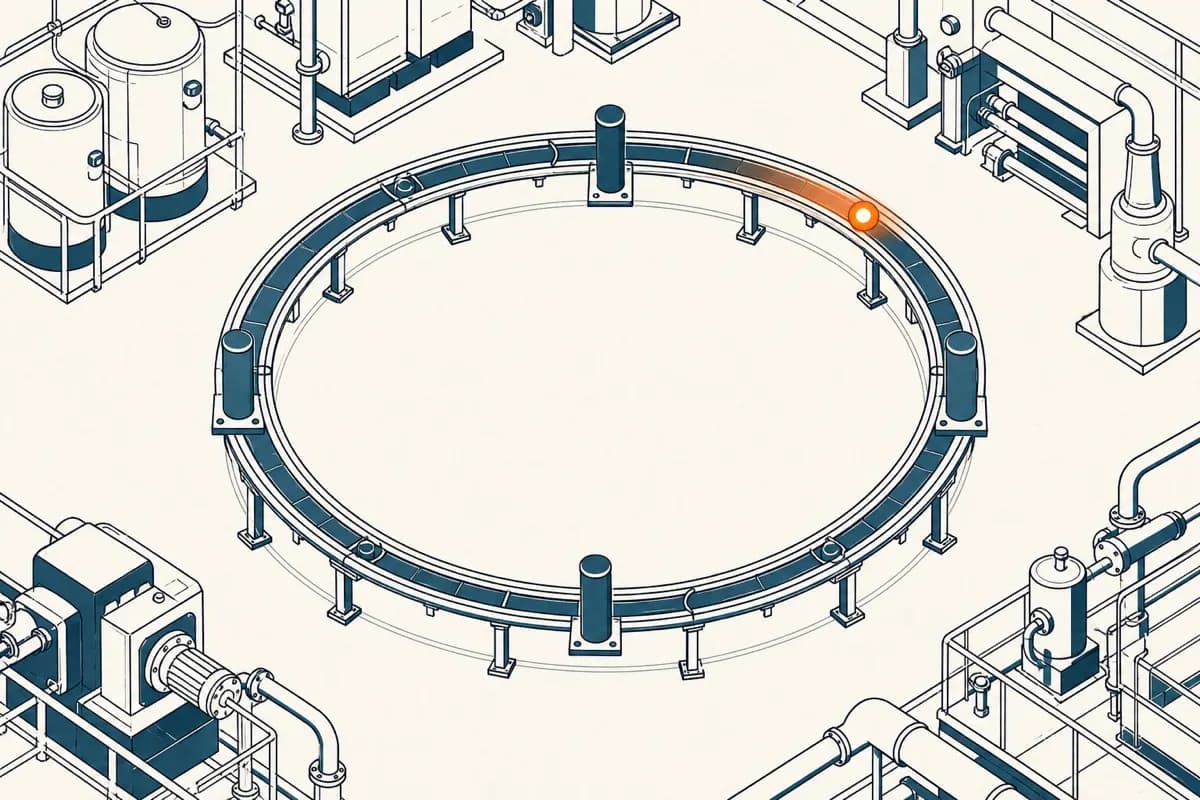
Think → act → observe → repeat. Every agentic architecture is a loop with controls around it.
In one sentence
The agent’s fundamental cycle: think, act, observe, repeat. Every agentic architecture is a loop with controls around it.
Before
Goal received
What it does
Think → Act → Observe
After
Completed or escalated
Example
One pass through the letter agent: it thinks (I need Ana’s report), acts (reads the file), observes (school attendance is missing), repeats (searches the registry). Four passes later, it delivers.
Designing an agentic architecture means deciding what goes into each of those four stages and when the loop must stop.
In practice
- Write the stop conditions before the prompt: completed, hit the ceiling, or escalated.
- Measure iterations per execution. A rising average is a sign of a poorly defined task or bad context.
- A loop that always runs the maximum number of times is probably stuck.
How to make it tangible
Draw your agent’s four stages and write what triggers the stop. If you can’t say when it stops, the loop hasn’t been designed.
Connects with
Translated from Portuguese with AI assistance.