
Memory
Without memory, every session starts from scratch.
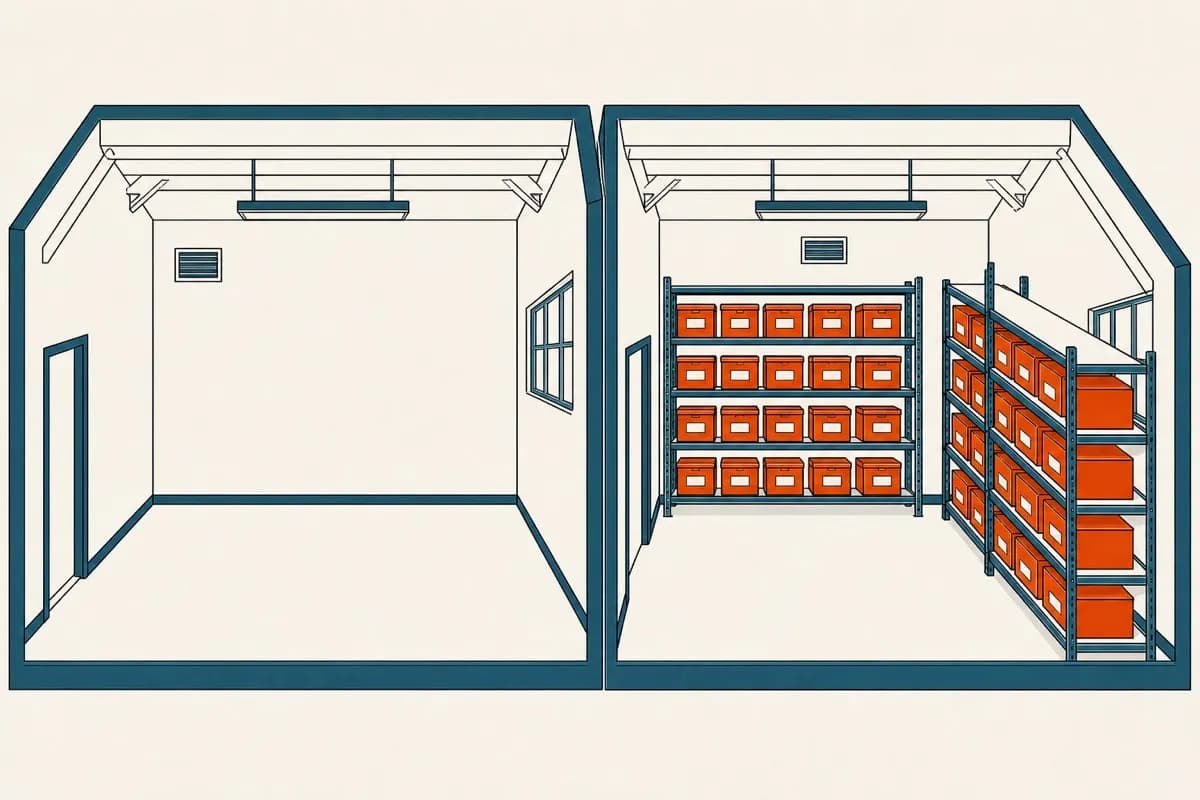
In one sentence
Persistence of information across sessions: what the agent remembers from past interactions, such as preferences, decisions, and project context. Without memory, every session starts from scratch.
Without it
Every session starts over from scratch: the agent asks again about things it already knew and repeats mistakes that had already been corrected.
With it
The agent picks up preferences, decisions, and corrections — and yesterday’s work still matters today.
Example
In March, coordination corrected the way siblings should be mentioned in the letter. Without memory, in April the agent makes the same mistake, and someone corrects it again.
With memory, the correction is recorded and applies to the next 4,000 letters, and no one has to teach the same thing every month.
In practice
- Start with a file before thinking about a database. One fact per file, with the date and who recorded it.
- Record the decision and the rationale, and leave the conversation out. If memory stores everything, the agent won’t find what matters.
- Review every quarter. Bad memory is worse than empty memory.
How to make it tangible
A place where the agent writes what it has learned (a file or table) and reads it at the start of each session.
Connects with
Translated from Portuguese with AI assistance.