
Agent Unit Economics
Cost per token → cost per task → cost per outcome. Without that calculation, you cannot decide what to automate.
In one sentence
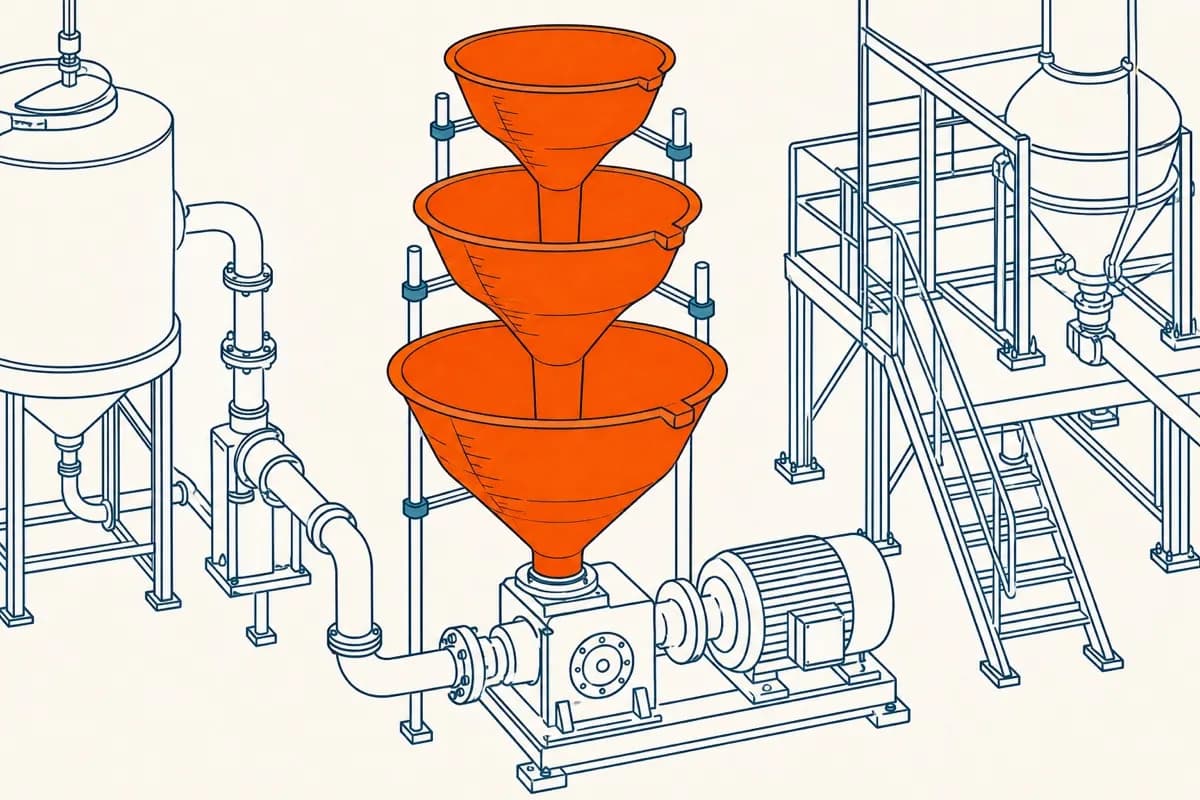
The cost chain: cost per token, cost per task, cost per outcome. Without that calculation, it is impossible to rationally decide what to automate, with which model, and when a human is worth it.
Before
Cost per token
What it does
Cost per task
After
Cost per delivered outcome
Example
R$ 0.42 per letter in tokens. Plus the 8% that escalate to a human, at 25 minutes each: that comes to R$ 0.71 per delivered letter. The human baseline was R$ 9.30.
The calculation that drives the decision is the third one: cost per outcome, compared with what already existed.
The common mistake
Compare cost per token across models. The cheaper model that makes more mistakes creates more human escalation and ends up more expensive per outcome, which is the unit that matters in the decision.
In practice
- Calculate the three layers: token, task, outcome. The last one is what drives the decision.
- Include the cost of human escalation. It is usually higher than the model’s cost.
- Always compare against the baseline. An absolute number by itself says little.
How to make it tangible
A spreadsheet with cost per token, per task, and per outcome, compared against the human baseline.
Translated from Portuguese with AI assistance.