
RAG / Retrieval
How institutional knowledge becomes input for the agent without retraining the model.
In one sentence
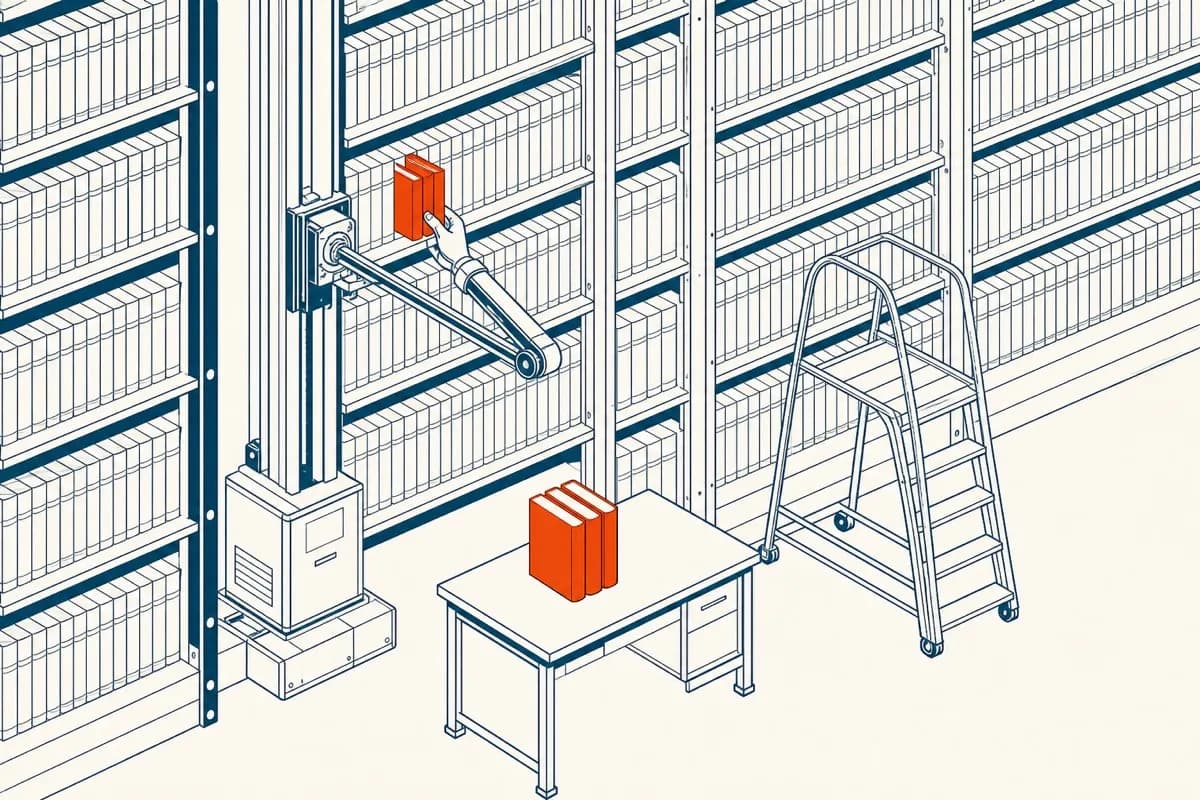
Retrieval-Augmented Generation: searching for relevant knowledge (docs, history, knowledge base) and injecting it into the context before the model responds. This is how institutional knowledge becomes input for the agent without retraining the model.
Before
Agent question or task
What it does
Searches for what’s relevant
After
Context injected before responding
Example
Before writing Ana’s letter, the system searches for three things: this year’s report, the summary of the previous two, and the excerpt from the policy about mentioning siblings. Only that enters the context, and the organization’s other 40,000 documents stay out.
The agent responds with institutional knowledge without anyone having trained any model.
The common mistake
Thinking RAG fixes bad knowledge. If the knowledge base has three contradictory versions of the same policy, RAG will retrieve one of them, and the agent will respond with total conviction. Good retrieval only finds what is in the knowledge base faster, including the mess.
In practice
- Filter before searching. Loose semantic search across a large repository brings back the wrong document with confidence.
- Store the source together with the excerpt: without a citation, it can’t be verified.
- Measure retrieval separately from generation. A bad answer is almost always bad retrieval.
How to make it tangible
A repository index plus a search function that the agent calls before responding.
Connects with
Translated from Portuguese with AI assistance.