
Subagent
Child agent with its own context: parallelizes without polluting the main agent’s context.
In one sentence
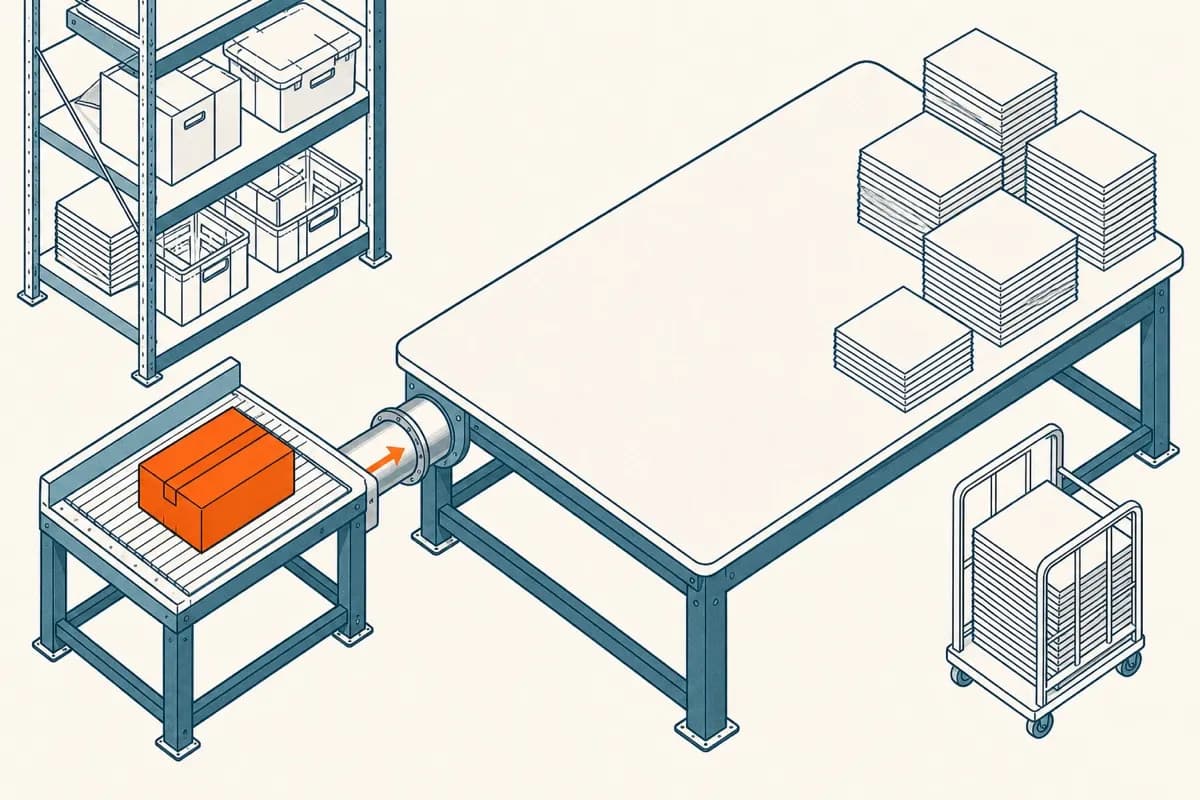
Child agent invoked by a main agent for an isolated subtask, with its own context. It enables parallel work and avoids polluting the main agent’s context with execution details.
Before
Heavy subtask appears
What it does
Subagent with its own context
After
Only the result returns to the main agent
Example
The main agent writes the letter. When it needs Ana’s three-year history, it calls a subagent that reads the 40 pages, returns a five-line summary, and disappears.
The 40 pages never enter the main context. The writing agent keeps a clean window for writing.
In practice
- Use it when the subtask generates a lot of intermediate text the main agent does not need to see.
- Return a structured summary instead of free text, so the main agent does not have to interpret it.
- If the subagent needs the main agent’s entire history, that subtask should not leave the main agent.
How to make it tangible
A call inside the agent that opens another context, executes the subtask, and returns only the summary.
Connects with
Translated from Portuguese with AI assistance.